By Giwa Zafrullah Ishola
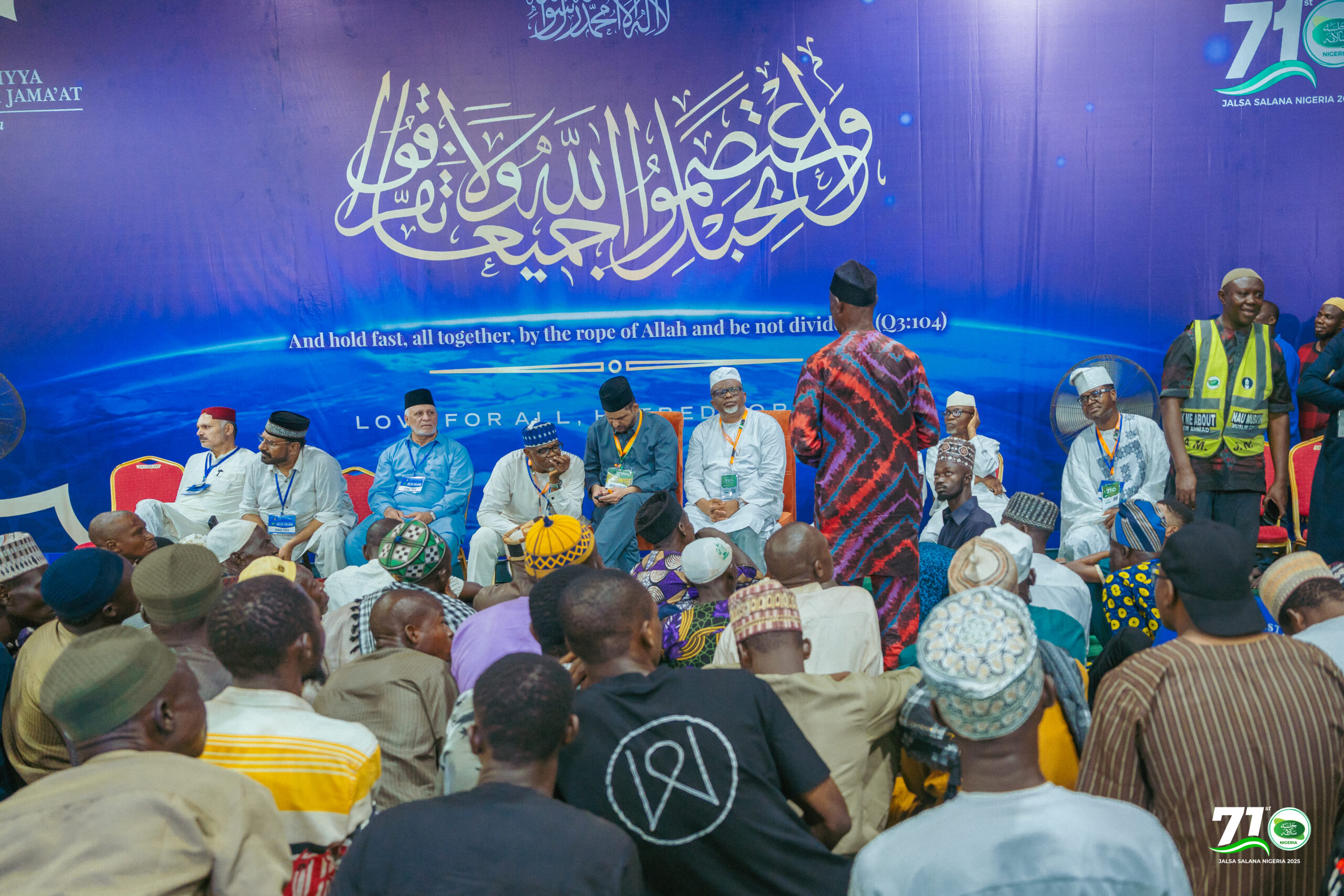
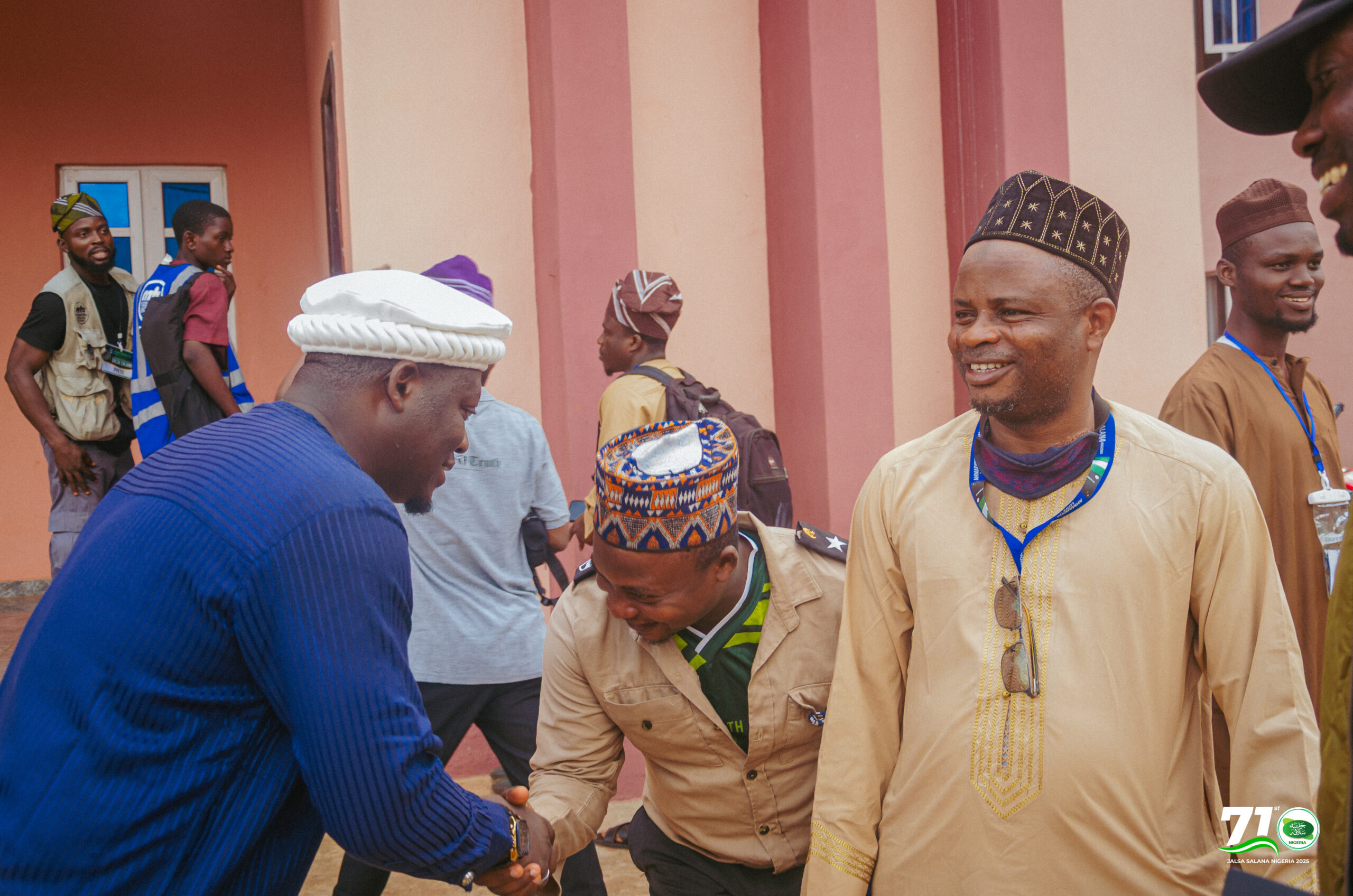
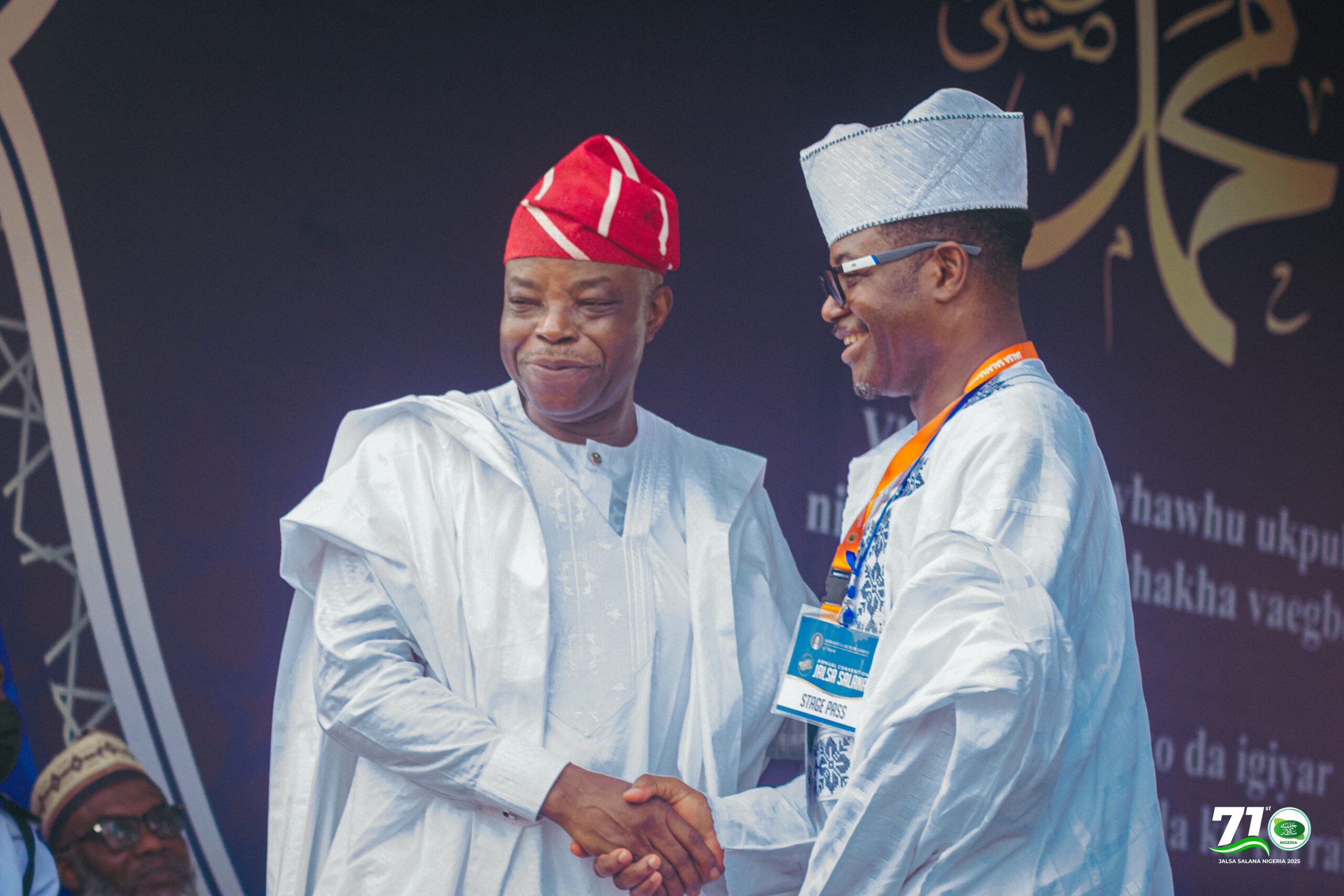
As the closing prayer ends and the crowd softly murmurs Ameen, a sacred silence falls across the Jalsa ground. Then the Urdu poem begins to echo through the speakers — gentle, melodic, almost like the heartbeat of the moment. Its verses flow through the air, mixing with the scent of dust and dew, wrapping everyone in quiet emotion. Around me, brothers embrace one another tightly — long hugs filled with love, gratitude, and that silent prayer: “May Allah let us meet again next year.” Some eyes glisten, others smile through tears. The once-busy field slowly begins to empty, yet the air still feels alive with peace. That’s when it sinks in — Jalsa may be ending, but its spirit must continue within us.
At Jalsa, I see what Islam truly looks like in action — unity, humility, and service. Strangers greet each other like family, volunteers serve tirelessly with radiant smiles, and every word from the Khalifa feels like a personal message from heaven. But the real test comes afterward — when the tents come down and life returns to normal. Can I carry that same patience into my daily interactions? Can I show the same kindness when no one is watching? That is when Jalsa either stays alive in my heart or fades into memory.
Jalsa teaches me that faith is not just about attending a spiritual event; rather, it is about living the lessons learned there. To be gentle when it is hardest, to forgive quickly, to serve quietly. This is how the Jalsa spirit continues long after the echoes fade.
Therefore, whenever I remember that final poem and the warmth of those parting hugs, I smile. Because the message is clear: Jalsa ends on the field, but it continues within the believer.