By Abdulquadri Olanrewaju
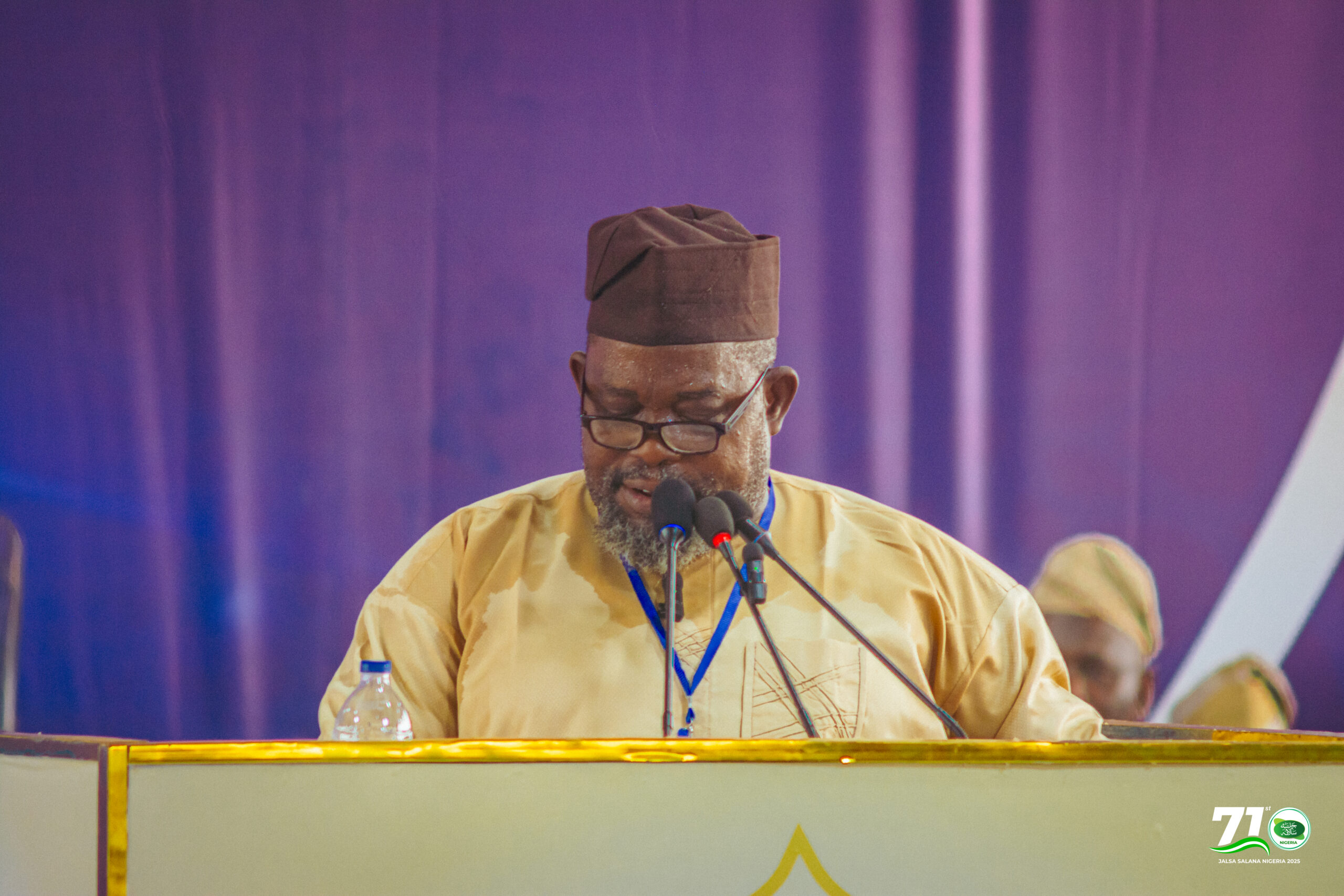
A distinguished academic and Islamic scholar at Lagos State University (LASU), Prof. Sa’eed Timehin, has identified racial arrogance and the systemic injustice of Western powers as the primary threats to contemporary global peace.
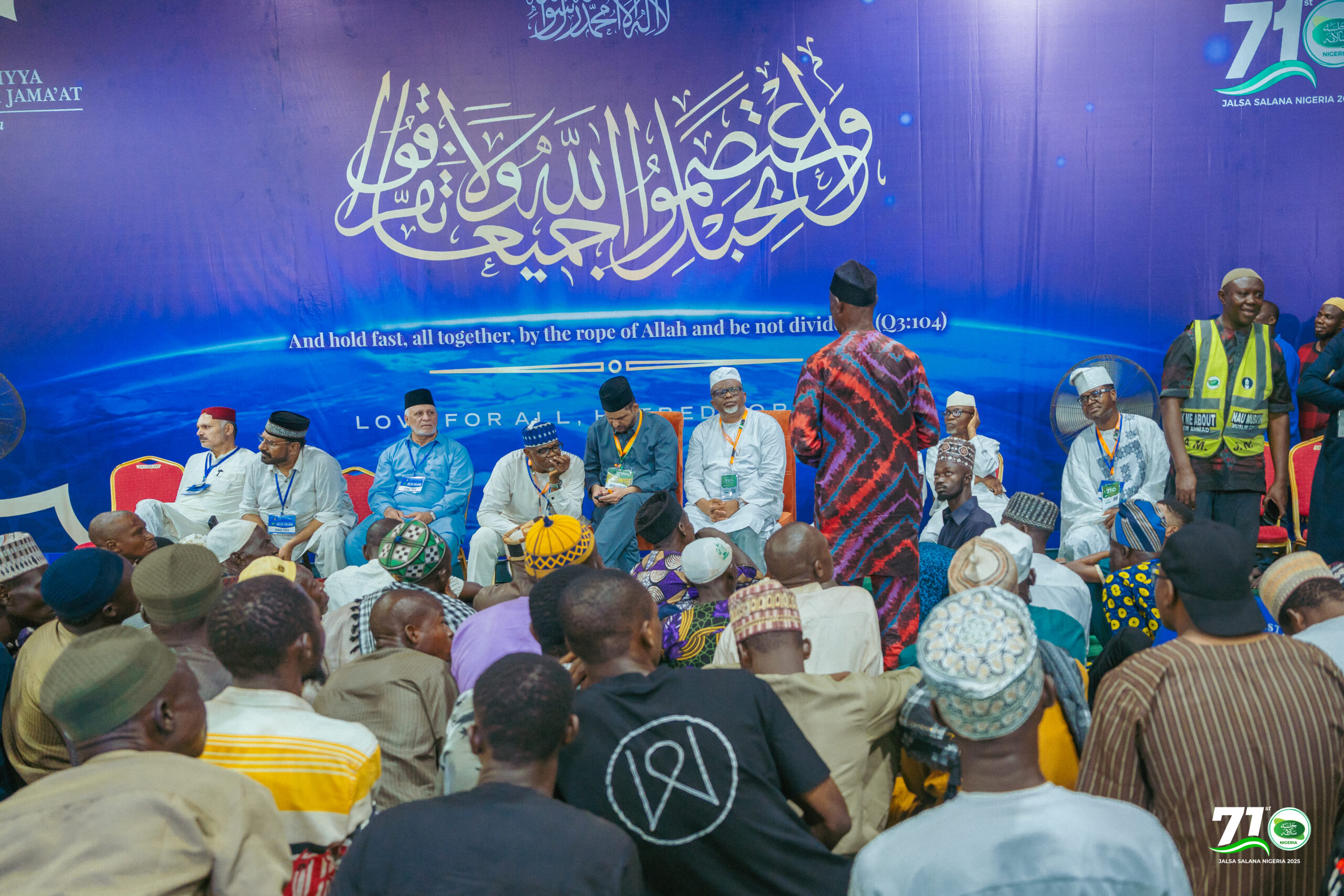
Delivering a scholarly lecture on Saturday, December 20, 2025, at the 71st Jalsa Salana (Annual Convention) of the Ahmadiyya Muslim Jama’at Nigeria, Prof. Timehin asserted that the world’s only escape from its current socio-political chaos lies in embracing the Islamic concept of Unity grounded in absolute justice.
Speaking on the theme, “Unity Is Strength: Lessons from Islamic History as a Guide to Contemporary Global Challenges,” the university don argued that unity is no longer just a sociological necessity but a survival strategy for humanity.
“Unity is universally recognized as a prerequisite for peace, stability, and development. It is today, the most desirable solution to global challenges,” he stated. He noted that because the world is now deeply interconnected, humanity is collectively affected by crises regardless of race, color, or faith, meaning that “the only way to attain global peace can only be found in achieving global unity”.
In a stinging critique of global geopolitics, Prof. Timehin traced the roots of modern conflicts—including the First and Second World Wars to “racial or national arrogance” and the feeling of superiority by some nations, lamenting that while Western powers pay lip service to democracy and human rights, their foreign policies are often defined by hypocrisy.
“The western powers, despite the lip-service they pay to the concept of justice, do not seem to know its meaning or are determined to turn a blind eye to it,” Prof. Timehin declared. “Nothing threatens the peace of the world today other than the fruits of the seeds of injustice they have planted in different lands and climes”.
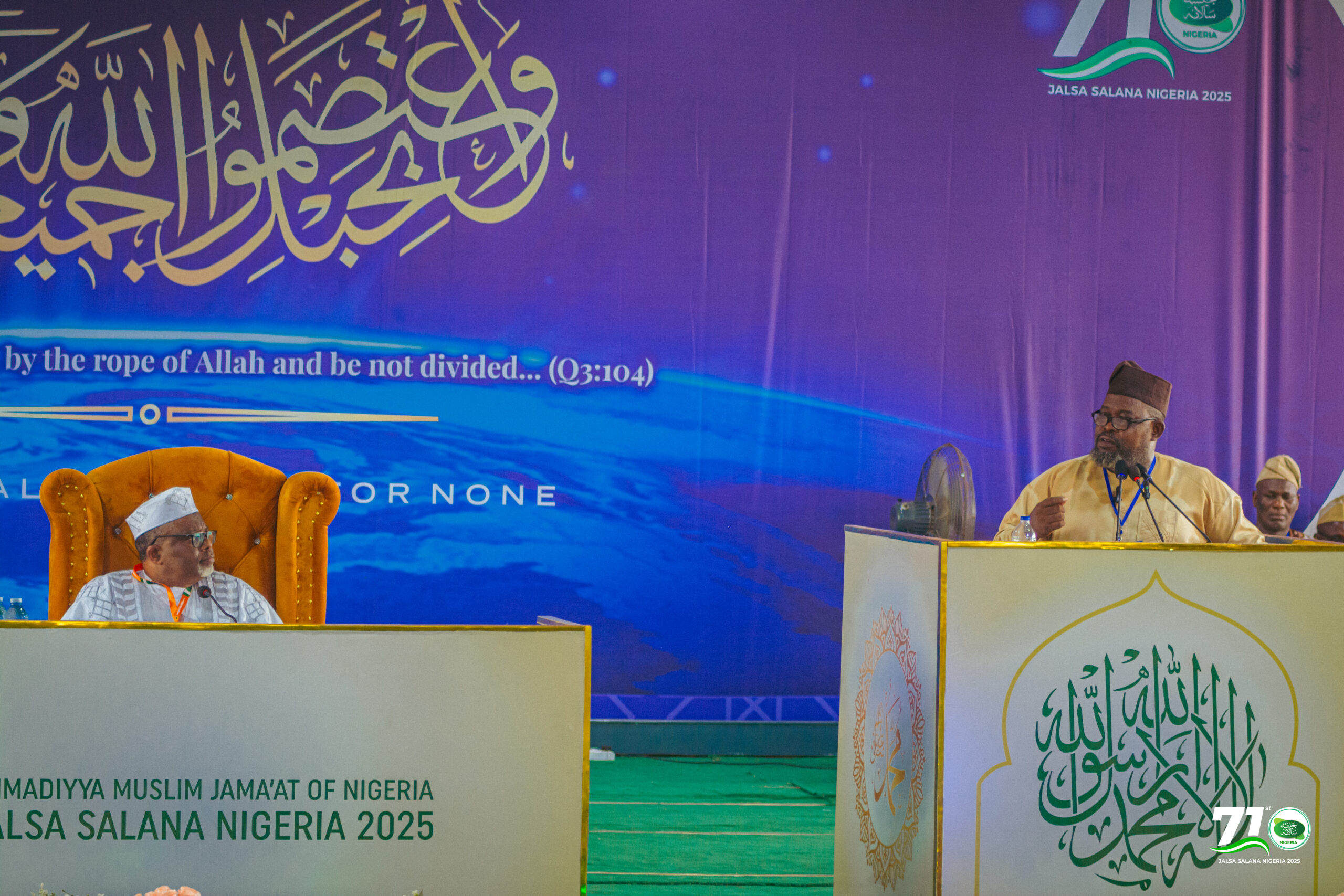
Proffering the Islamic solution, the lecturer delved into the theological concept of Hablullah (The Rope of Allah). He explained that in Islamic thought, unity is elevated to a “theological and moral obligation mandated by divine revelation” rather than a mere social contract.
Quoting the Qur’an (3:104), he described the “Rope of Allah” as a multilayered metaphor encompassing revelation, guidance, and divine leadership. He cited the exposition of the Second Khalifa of the Ahmadiyya Community, Hazrat Mirza Bashir-ud-Din Mahmud Ahmad (ra), who affirmed that holding fast to the Rope of Allah requires adherence to the Quran, the Holy Prophet (saw), and the “Successors to the Messenger” (Khilafat).
Prof. Timehin posited that the Ahmadiyya Muslim Community stands as the only global body with the “social and spiritual architecture” to lead this unification. He paid tribute to the current Supreme Head of the Community, Hazrat Mirza Masroor Ahmad (aba), describing him as “the most recent and arguably the loudest voice on the imperative of global cooperation and unity”.
He referenced His Holiness’s historic addresses at Capitol Hill, Brussels, and other centers of Western civilization—compiled in the book World Crisis and the Pathway to Peace, as the blueprint for global conflict resolution.
Bringing the message home, Prof. Timehin applied these lessons to the Nigerian context. He attributed Nigeria’s lingering instability to “deep-seated injustices and governance failures”.
“To achieve peace and stability in Nigeria, we must see justice as the foundation of unity,” he urged. “The government should address all acts of injustice that have given birth to feelings of resentment and rancour in all regions”.
He concluded by warning that unity is a “strategic necessity,” noting that Islamic history confirms that strength and progress are the exclusive reserves of societies grounded in justice, accountability, and compassion.